







Publication of the Methodology for Animal Health Control and Mandatory Vaccination for 2026
The State Veterinary Administration (SVS), together with the Ministry of Agriculture, has published the Methodology for Animal Health Control and Mandatory Vaccination (MKZ). One of the fundamental conceptual documents for state veterinary supervision and an important document for livestock breeders and hunters, it proposes annually the scope of mandatory preventive and diagnostic measures to prevent the emergence and spread of infectious diseases and diseases transmissible from animals to humans. The document takes into account the development of the infectious disease situation. It brings several changes for next year compared to the current situation.
In accordance with Veterinary Act No. 166/1999 Coll., mandatory preventive and diagnostic measures are established to prevent the emergence and spread of infectious diseases transmissible from animals to humans, as well as to combat them, which are carried out in the relevant calendar year, including deadlines for their implementation, and determines which of them and to what extent are covered by the state budget. The most important changes in the document for next year are listed below.
From the new year, a new test for avian influenza in found dead foxes will be added to the MKZ. The aim of the monitoring is to detect the possible circulation of the avian influenza virus in wild foxes in the Czech Republic (CR). The reason for this measure is that avian influenza has already appeared in foxes in some European countries. Next year, monitoring of West Nile fever (WNF) in dead wild birds will begin. WNF is a zoonosis. A list of birds tested for WNF will be available on the SVS website. At the same time, some bird species will also be tested for avian influenza.
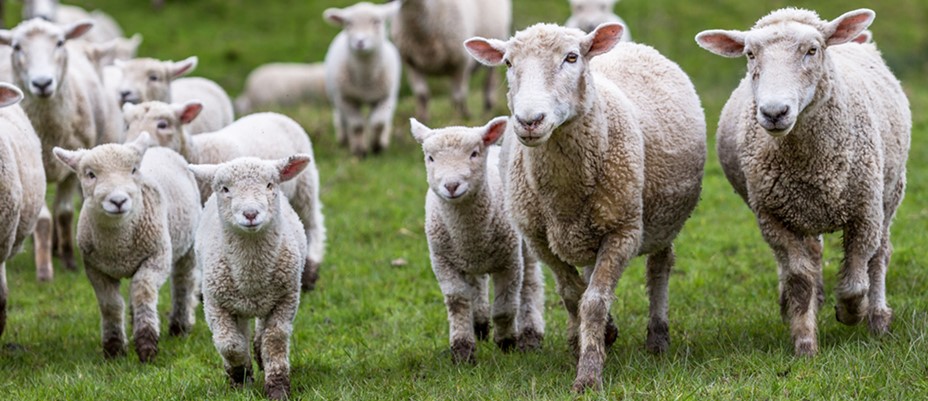
The MKZ is also expanding testing for bluetongue in sheep and goats that have aborted, and testing of aborted or unviable lambs and kids. In addition, new testing for the bacterium Brucella ovis is being introduced for uncastrated rams that are being moved to another Member State. The bacterium causes infectious epididymitis in rams (an inflammatory disease of the epididymis). The MKZ is reinstating the obligation to perform laboratory tests for equine infectious anemia in all horses older than 12 months before they are moved to the racecourse. The tests will be paid for by the breeder.
In 2026, testing for myxomatosis in hares will continue. At the end of August 2025, the myxomatosis virus was confirmed in the brown hare population in the Czech Republic. In the past, only female hares were susceptible to myxomatosis. Currently, myxomatosis in hares has been confirmed in five regions. Next year, the MKZ will introduce monitoring of Aujeszky’s disease in hunted wild boars, of which 5% will be tested. In 2026, hunters will have to apply for finders’ and shooters’ fees at the relevant regional veterinary administration within 60 days of submitting samples for laboratory testing.
On the other hand, testing for brucellosis in sows at slaughterhouses will be discontinued. Brucellosis in pigs has not been present in the Czech Republic for a long time. Testing all gilts and all breeding boars, together with testing slaughtered boars at slaughterhouses, is sufficiently sensitive monitoring to detect the disease in time.
Petr Vorlíček
SVS spokesperson